
Save the date: Innovation Challenge 2 to accelerate sustainable kidney care across Europe

The KitNewCare project is preparing to host its Innovation Challenge 2 (IC-2), a focused workshop bringing together clinical partners, sustainability experts and industry innovators to advance the project’s mission: improving the environmental performance of kidney care across Europe. Taking place on 15 December, this new edition builds on the strong foundations of Innovation Challenge 1, held last year in Malmö, and adds a new layer of insight—direct reflections from the first round of environmental audits carried out in real clinical settings.
The first Innovation Challenge, organised in October 2024, gathered more than 30 participants from across the project and the wider healthcare ecosystem. Led by the System Design Lab of Politecnico di Torino, that session combined presentations from clinical and industrial partners with hands-on system-thinking exercises. Participants analysed sustainability impacts within kidney care and explored emerging technologies ranging from nature-based water treatment to advanced resource-efficiency solutions.
One of the most valuable outcomes of IC-1 was a shared understanding of where innovation can meaningfully reduce the environmental footprint of renal care while improving patient and clinic workflows. IC-2 now takes this a step further by integrating practical evidence gathered in the field.
Over the past months, KitNewCare partners have conducted environmental audits across multiple European clinics. These audits assessed material flows, energy consumption, water use, waste streams and everyday operational practices in haemodialysis and peritoneal dialysis.
IC-2 will use this evidence base to address three key objectives:
- Reflect on the sustainability audits and what they reveal about real-world kidney care processes.
- Explore key learnings directly from clinics, identifying what is working, what is challenging, and what sustainability priorities emerge from their perspective.
- Connect these insights to the project’s catalogue of innovations, ensuring that technical solutions under consideration respond to actual clinical needs.
The session will open with a welcome and project update from Prof. Brett Duane (TCD), followed by Daniel Eriksson (NCSH) presenting an overview of audit activities and the draft consolidated report.
Clinical partners from Utrecht, Warsaw and Madrid will then share their experiences, addressing the following subjects:
- Data collection challenges in sustainability audits: practical difficulties, resource needs and insights gained from the audit process.
- Systemic understanding of sustainability in kidney care: how audits help clinics see environmental impacts across the full care pathway.
- Clinic-specific barriers to sustainability progress: organisational, technical or infrastructural constraints identified by partners.
- Priority areas for technical improvement: the top sustainability hotspots and the technologies or processes that clinics consider most urgent to address.
- Strategic next steps for integrating audit findings: how lessons learned should shape future work, innovation selection and the project’s overall sustainability roadmap.
The session will conclude with an open discussion and alignment on next steps towards integrating audit findings into the innovation roadmap.
Innovation Challenge 2 marks an important turning point for KitNewCare. By merging technology scouting, cross-sector engagement, and now clinic-level evidence, the project is progressively shaping a systemic understanding of how sustainability can be embedded in kidney care services—from equipment and water treatment to workflow design and patient-centred practices.
The outcomes of IC-2 will feed directly into the refinement of the project’s innovation catalogue and support the development of practical guidelines to help clinics transition toward more sustainable operations.
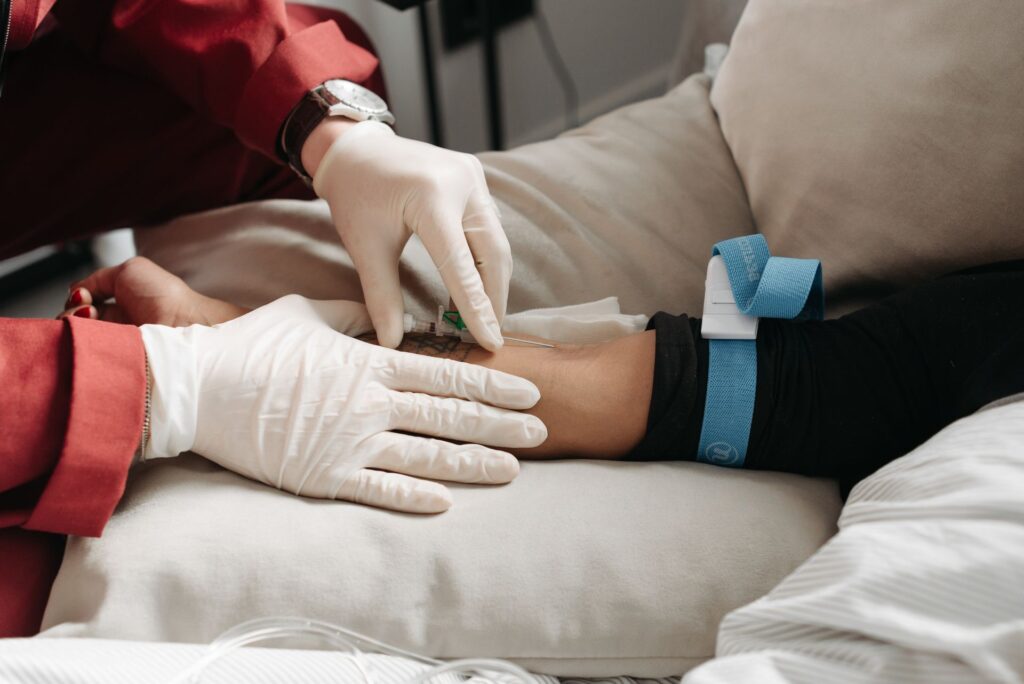
*Photo by Artem Podrez.

Beyond carbon: the parts of sustainable kidney care that are still missing

An open library of kidney care life cycle data, free for anyone to reuse

Modality matters less than you think. What happens to the plastic matters more.
