
Sustainable dialysis: a practical guide for kidney units
Dialysis keeps millions of people alive. A single haemodialysis session can use up to 550 litres of water, about three full bathtubs, and most of that water is discarded before it ever reaches a patient. Each session also draws heavily on energy, most of it still from fossil fuels, and leaves several kilos of waste behind. And for most patients the treatment begins with a journey to a centre and ends with the journey home.
KitNewCare has published a video on what a kidney unit can do about it. It is aimed at nephrologists, nephrology nurses and dialysis unit staff, and works through the changes a unit can make in the order it would meet them.
The starting point is the prescription itself, because the question of whether a patient is on the right treatment comes before any question of efficiency. For eligible patients, incremental dialysis, where the number of sessions is matched to how much kidney function remains, uses less water, less energy and fewer supplies while keeping treatment clinically adequate. Home haemodialysis and peritoneal dialysis suit some patients better, and remove the journey to the centre altogether.
Water, energy and waste come next. Water rejected by the reverse osmosis plant is not necessarily lost, and where regulations allow it can be recovered for laundry, toilets or irrigation. Energy can be bought from renewable sources, wasted less through better insulation, and partly recovered with a heat exchanger. On waste, the first step is emptying dialysers and lines at the end of the shift, so that what gets collected weighs less. It goes on to central acid delivery, dialysate produced online, and the correct separation of hazardous waste, which costs more to dispose of and carries a heavier environmental impact than general or recyclable waste.
Patient travel can be the largest item of all. For someone on in-centre haemodialysis, the trip to the unit is part of the treatment, made three times a week, often for years. It accounts for as much as 50% of the emissions from haemodialysis, all of it generated outside the unit’s walls. Telemedicine will not suit every patient, but for stable patients with chronic kidney disease or on home dialysis it removes journeys without costing anything in the quality of care, and it can cut staff travel as well.
Measurement underpins all of this: units are asked to track their water, energy and waste, share the figures with their teams, and set targets.
Prevention comes last, because a patient whose kidney disease is slowed or stopped may never need dialysis at all. In practice that means helping people manage blood pressure, diet and lifestyle to slow kidney disease, screening people at risk for albuminuria, which picks up kidney damage early, and starting protective therapies as soon as they are indicated. It also means assessing every patient for a transplant before dialysis begins.
Filming took place in the nephrology unit of the University of Modena and Reggio Emilia, which opened its facilities to the production. The presenter is Giuseppe Di Chiaro, and subtitles are available in English and Italian.
For anyone who wants more depth, the closing minutes point to KitNewCare’s Sustainable Kidney Care Course, which is free and runs to more than an hour in five languages. Units that want to go further can join the project as associate sites.


KitNewCare newsletter, second edition: “From Evidence to Action”
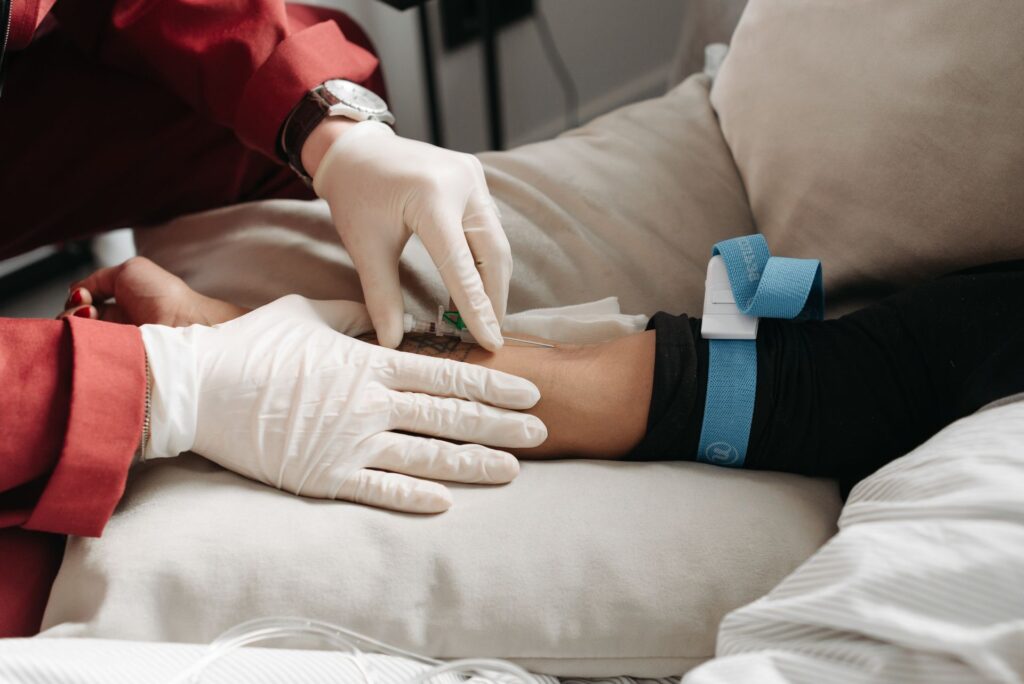
Beyond carbon: the parts of sustainable kidney care that are still missing

An open library of kidney care life cycle data, free for anyone to reuse
