
Same treatment, very different footprint: what four European centres reveal about peritoneal dialysis
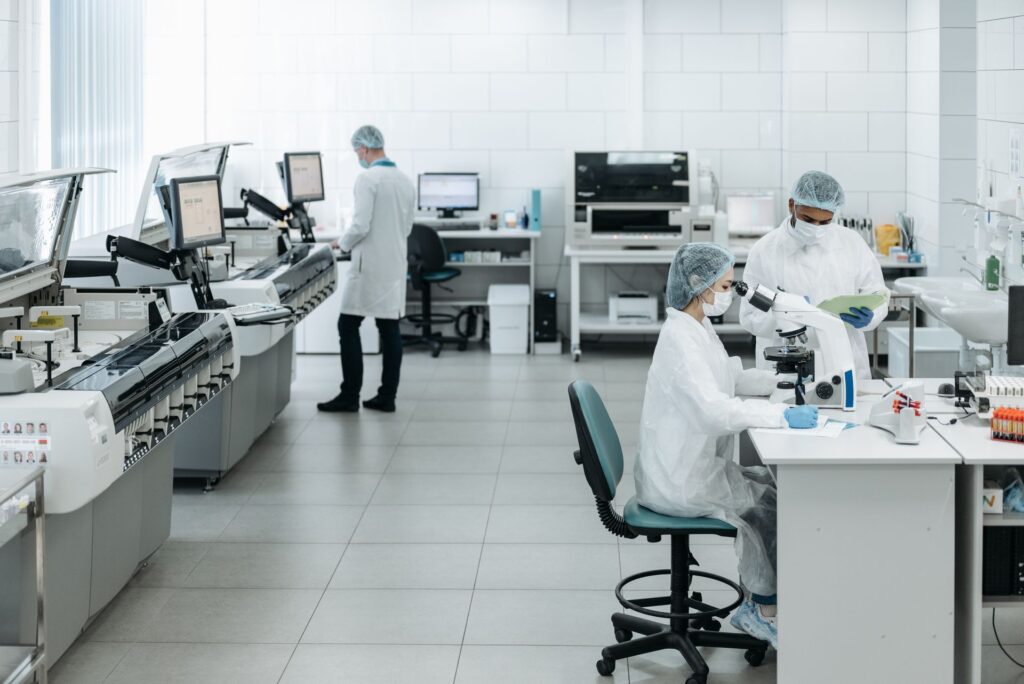
The most comprehensive of the studies compared a full year of peritoneal dialysis per patient across four of the project’s clinical sites: Modena, Utrecht, Warsaw and Madrid. Using a cradle-to-grave life cycle assessment built to ISO 14040/14044 with OpenLCA, the ecoinvent v3.10 database and the EF 3.1 impact method, the team found a near two-fold spread in carbon footprint between centres, 3,381 kg CO2-equivalent per patient-year in Warsaw and 3,320 in Utrecht, against 3,101 in Modena and 1,736 in Madrid. Energy and water diverged too, from roughly 28,900 to 54,700 MJ of non-renewable energy and from 854 to 6,631 cubic metres of water-scarcity-weighted use.
What drives the gap is not the therapy itself but the way it is organised around the patient. Procurement of dialysate and single-use consumables was the largest single contributor at every centre, ranging from about 1,247 kg CO2-equivalent per patient-year in Madrid to 2,041 in Utrecht. Even centres prescribing identical dialysate volumes differed by up to 1,000 kg CO2-equivalent per patient-year. Utrecht’s high water figure traced back to a single habit: roughly 5,700 units of cotton gauze per patient each year, against around 1,000 elsewhere. Warsaw’s footprint was inflated by classifying non-hazardous disposables as hazardous waste; the authors estimate better segregation could save in the order of 550 kg CO2-equivalent per patient-year.
The clearest clinical lever was dose. Incremental peritoneal dialysis cut emissions by up to half, and the single lowest modality result across the whole study was incremental PD in Madrid at 494 kg CO2-equivalent per patient-year. A companion single-centre study mapping the entire Modena pathway, from education and catheter placement through to monthly review, reached the same conclusion from a different direction, reporting 3,267 kg CO2-equivalent per patient-year for automated PD and 2,975 for continuous ambulatory PD, falling to 1,642 and 1,517 respectively for incremental prescriptions. Within the treatment itself, plastics accounted for roughly 41% of emissions.
A third study went looking for the specific items responsible. Assessing a year of automated PD procurement in Modena, it found that the two 5-litre dialysate bags used daily carried 1,515 kg CO2-equivalent per patient-year on their own, more than half of all procurement emissions, followed by the 2-litre bag at 457 kg, the automated drainage system at 286 kg and the automated PD set at 187 kg. The top three items together exceeded three-quarters of the total. Corrugated cardboard packaging alone contributed more than 300 kg CO2-equivalent per patient-year. Notably, the larger bag was the more efficient one per litre of dialysate delivered, at 0.415 against 0.626 kg CO2-equivalent per litre.
The fourth study asks what would happen if these products were designed differently. Rebuilding the life cycle inventories of ten PD products with recycled plastics and packaging, renewable electricity in manufacturing, electric van freight and pyrolysis at end of life, the modelling found cradle-to-gate reductions above 40% for eight of the ten. The automated PD set fell 63% and the cycler 87%. Bio-based plastics were modelled and set aside, on grounds of marginal benefit and unresolved regulatory and supply barriers.
These are modelled redesigns, not validated products, and the clinical performance of the alternatives has not been tested. But read together the four studies point somewhere practical: prescribe incrementally where it is clinically appropriate, fix waste segregation, question the consumables that are opened out of habit, and put carbon into procurement conversations with manufacturers.
Related readings
- Environmental footprint of peritoneal dialysis in Europe: a comparative life cycle assessment across four European centres
- Sustainable Kidney Care: A Life Cycle Assessment of the Peritoneal Dialysis Pathways
- A life cycle assessment of peritoneal dialysis procurement in Italy: environmental burden and opportunities for improvement
- Theoretically redesigning peritoneal dialysis products for sustainability: A life cycle inventory approach
- Life Cycle Assessment Dataset For Peritoneal Dialysis in Madrid — dataset
- Life Cycle Assessment Dataset For Peritoneal Dialysis in Utrecht, Netherlands — dataset
- Life Cycle Assessment Dataset For Peritoneal Dialysis in Warsaw, Poland — dataset
- Life Cycle Assessment Dataset For Peritoneal Dialysis in Modena — dataset
*Photo by Pavel Danilyuk.

Beyond carbon: the parts of sustainable kidney care that are still missing

An open library of kidney care life cycle data, free for anyone to reuse

Modality matters less than you think. What happens to the plastic matters more.
