
The container question: how a procurement decision became a sustainability lever
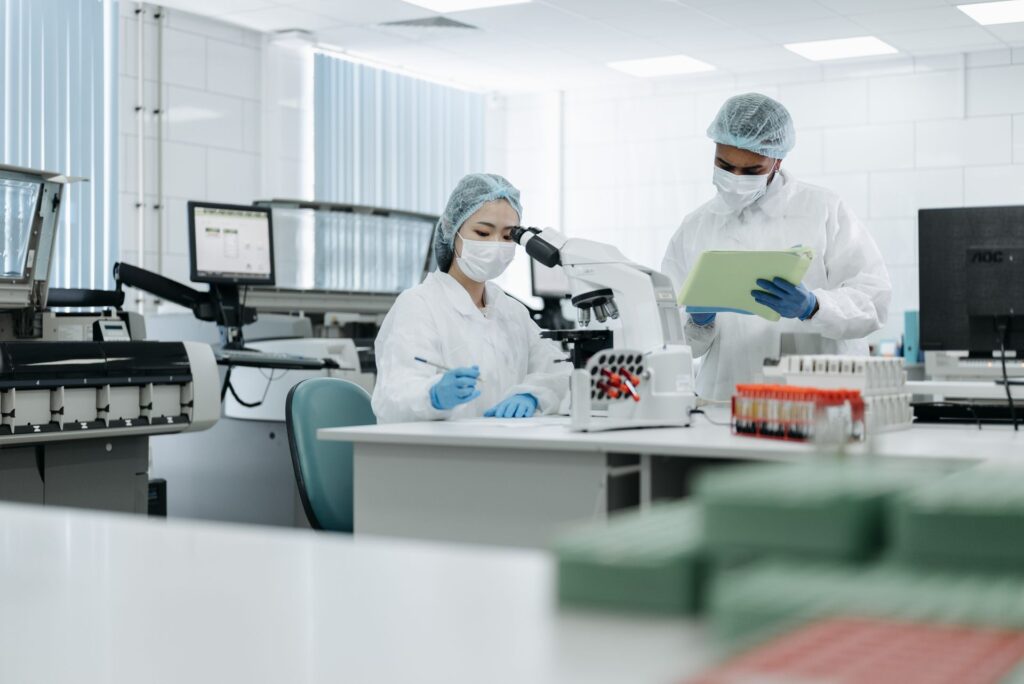
The largest of the three examined 15 haemodialysis centres run by the Fundación Renal Española across three Spanish regions, around 1,300 patients, close to 5% of the national haemodialysis population, and 163,515 sessions a year. Comparing four ways of holding the same fluid, the life cycle assessment found 4.02 kg CO2-equivalent per session for a 3.9-litre rigid canister, 2.47 kg for a 4.2-litre flexible bag, and 1.54 and 1.52 kg for 300-litre and 600-litre centralised tanks. The canister carried 1.63 times the footprint of the bag and 2.63 times that of the tanks, differences significant at p<0.001, while the two tank sizes were indistinguishable from each other. Container production and disposal alone accounted for 77% of the canister’s footprint. Scaled across the year, moving from canisters to centralised tanks across those centres would avoid roughly 407 tonnes of CO2-equivalent.
At UMC Utrecht the question was posed differently: what if the water were left out of the shipment altogether? A comparative assessment of a central concentrate delivery system using dry powder in reusable barrels, against the 6-litre single-use canisters it replaced, found a 58% reduction in carbon emissions for deliveries within the Netherlands. The mechanism is visible in the material flows. Per patient-year, high-density polyethylene fell from 28.1 kg to 1.5 kg, and the mass of product transported fell from 821 kg to 250 kg. All three endpoint indicators, human health, ecosystem quality and resource scarcity, were more than halved. The study also tested the idea to destruction, modelling delivery to Modena, Nairobi and Manila. The system stayed ahead on most impact categories, but acidification, particulate matter and photochemical oxidant formation worsened with long-distance sea freight, and removing barrel reuse from the model raised impacts in the Kenyan scenario by nearly 20%. Reuse, not the powder, is what does the work.
In Modena a third study compared single-use acid concentrate bags with a system preparing dialysate centrally from dry powder in reusable containers. Assessed per session, four hours at 500 mL/min, or 120 litres of dialysate, the central system came out lower on all 15 impact categories examined, with climate change falling from 3.74 to 2.63 kg CO2-equivalent, a reduction of about 30%, and land use falling 61%. Across the unit’s 251 patients dialysing three times a week, the authors put the saving at approximately 43.5 tonnes of CO2-equivalent a year. Annual plastic consumption dropped from around 4,500 kg to 867 kg.
An accompanying editorial in Enfermería Nefrológica makes the organisational argument plainly: this is one of the least examined variables in dialysis and one of the most tractable, and acting on it now sits with institutions and procurement teams rather than with researchers. It is also candid about the obstacle, centralisation requires capital investment and physical space, and the business case has to be made rather than assumed.
Two caveats deserve to travel with these findings. None of the three studies costed the options, so the financial case still has to be built locally. And centralised delivery constrains individualised dialysate prescription, which is why the Spanish team recommends retaining small-format containers for patients who need bespoke composition rather than removing them entirely.
The direction of the evidence, though, is unusually consistent for this field: where centralisation is feasible it wins clearly; where it is not, flexible bags beat rigid canisters. Both conclusions are actionable at the next tender.
Related readings
- Impact of the type of Dialysate Acid Concentrate container on the Environmental Footprint of Haemodialysis Centers
- Sustainable and accessible haemodialysis: life cycle assessment on central acid delivery system
- Green Haemodialysis: Comparison of Dialysis Bags Versus Fresenius Granumix at the AOU Policlinico di Modena, Italy
- Gestión de los residuos del ácido en hemodiálisis: una oportunidad para reducir el impacto ambiental — editorial
- Green Haemodialysis: Comparison of Dialysis Bags Versus Fresenius Granumix Water Recycling System at the AOU Policlinico di Modena, Italy — dataset
*Photo by Pavel Danilyuk

Beyond carbon: the parts of sustainable kidney care that are still missing

An open library of kidney care life cycle data, free for anyone to reuse
Modality matters less than you think. What happens to the plastic matters more.
